
Avoid These Common Tourist Traps: Your Guide to Authentic Travel
Discover how to avoid common tourist traps and make the most of your travels! Learn to recognize overpriced attractions, find authentic experiences, and save money with practical tips and real-life examples. Unlock the true essence of your destination while bypassing crowds and overhyped spots.
Rituraj Sarma
1/3/20253 min read

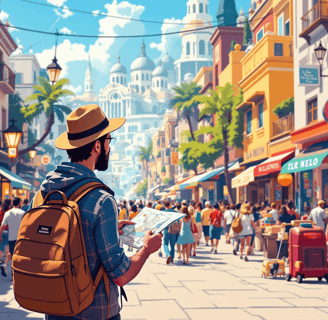
Travel is a rich encounter, but tourists fall into traps more often than not—overpriced attractions that yield much less. The knowledge of how to approach such pitfalls will save you money, time, and frustration while ensuring a better experience. To get away from the tourist traps, here's what you should do to find the authentic soul of your destination.
What Are Tourist Traps?
Tourist traps are places or attractions that make a big advertisement or promise an experience that, when one goes there, fails to deliver. These places tend to charge huge prices and usually attract many people, thus leaving the visitors feeling disappointed. For example, Times Square in New York City is iconic, but it has overpriced food and streets that are jammed with people, with 330,000 people passing by daily.
Identifying Tourist Traps
These are some characteristics of tourist traps:
Overpriced Tickets: If an attraction's entry fee seems disproportionately high compared to similar experiences, proceed with caution. For example, visiting the Guinness Storehouse in Dublin costs about $31, whereas a local craft brewery tour offers a more intimate experience for $15-$20.
Pushy Vendors: Streets lined with aggressive vendors selling overpriced souvenirs are often a sign you're in a tourist-heavy area.
Crowded Areas: Locations swarming with tour buses and selfie-stick-wielding tourists often signal a trap.
Generic Offerings: If the food, merchandise, or experiences are overly standardized, you're likely in a tourist trap. Think of Eiffel Tower keychains sold at every Paris corner store.
Multilingual Menu Photos: Restaurants displaying faded food pictures with descriptions in six different languages often serve mediocre, overpriced food aimed at tourists rather than locals.
Location-Based Pricing: Establishments within eyesight of major attractions that charge significantly more than similar venues just a few blocks away. In Barcelona, restaurants directly facing Sagrada Familia might charge double compared to those five minutes away.
Tourist-Only Crowds: If you look around and can't spot any locals dining, shopping, or enjoying the venue, you're likely in a tourist trap.
Gimmicky Entertainment: Places featuring stereotypical or exaggerated versions of local culture, like restaurants with costumed performers or "authentic" shows designed purely for tourists.
Avoiding Tourist Traps
Do Your Research: Read blogs, forums, and reviews on platforms like TripAdvisor or Reddit to identify overhyped spots. For example, while the Leaning Tower of Pisa is iconic, many travelers regret dedicating a full day to it when other Tuscan treasures await.
Explore Off-the-Beaten Path: Seek lesser-known attractions. In Rome, skip the Trevi Fountain during peak hours and visit quieter neighborhoods like Trastevere for a more authentic vibe.
Use Local Guides: Apps like Eatwith or ToursByLocals connect you with residents who can show you hidden gems. In Bangkok, a $20 street food tour led by a local beats the $50 cruise buffet on the Chao Phraya River.
Rely on Public Transport: Avoid hop-on-hop-off buses; instead, use public transit to save money and experience the city like a local.
Time Your Visits Strategically: Visit popular attractions during off-peak hours. The Louvre in Paris, for instance, is less crowded on Wednesday and Friday evenings.
Connect with Local Communities: Use social media platforms or apps like Meetup to find local events and gatherings. You might discover a neighborhood festival or weekly market that offers genuine cultural experiences.
Follow the Three-Block Rule: When seeking restaurants near major attractions, walk at least three blocks away in any direction. Prices typically drop and quality improves as you distance yourself from tourist hotspots.
Learn Basic Local Phrases: Speaking even a few words in the local language can help you navigate away from tourist-oriented establishments and connect with authentic local businesses.
Use Local Apps: Download apps that locals use for food delivery, transportation, and entertainment, rather than relying on international tourist apps. For example, use Grab in Southeast Asia instead of more tourist-oriented services.
How Tourist Traps Impact Your Wallet?
Statistics show that tourists spend 20-30% more than they should in touristy places. For example, eating around the Colosseum in Rome costs 50% more than eating a few blocks away from the central areas. A cappuccino that costs $8 in Piazza San Marco, Venice, costs only $2.50 a few blocks away.
Real Stories: Travelers Who Escaped the Traps
• Jessica from Toronto avoided overpriced gondola rides in Venice by exploring the city's canals aboard a $1.50 vaporetto, or water bus.
• Mark from Sydney avoided the $60 London Eye by climbing The Monument for $7 while taking in panoramic views of the city. You ged the point
Conclusion: Travel Smarter, Not Harder
Avoiding tourist traps requires a mix of research, local interaction, and flexibility. By steering clear of overpriced, crowded attractions, you’ll unlock a world of genuine experiences that reflect the true spirit of your destination. Remember: the best travel memories often come from unexpected discoveries, not standing in line for hours at a crowded landmark.