
5 Strategies for Affordable Dining Abroad! Transform Your Travel Budget:
Discover how to transform your travel budget with these six smart strategies for affordable dining abroad! From exploring street food and budget-friendly restaurants to embracing self-catering and joining cooking classes, this guide is packed with tips to help you savor local flavors without overspending. Perfect for travelers looking to balance their culinary adventures with cost-saving techniques. Bon appétit on a budget!
Rituraj Sarma
12/14/20244 min read
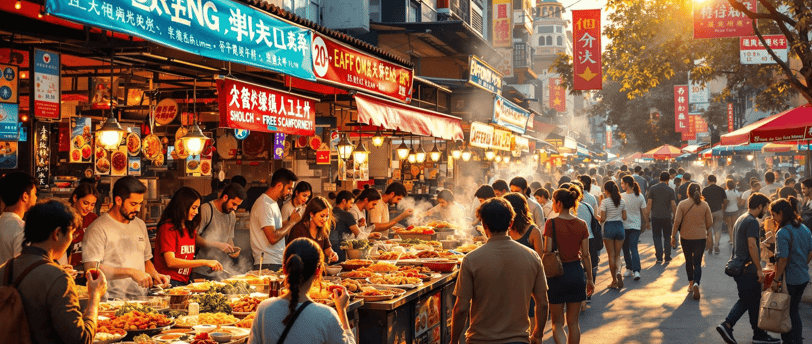

Traveling abroad can be an incredible adventure, but dining expenses often add up quickly, putting pressure on your travel budget. The good news is that, with a bit of strategy, you can savor delicious meals without overspending. Here are five actionable strategies to help you enjoy affordable dining while exploring the world.
1. Research Local Food Culture
Before you step off the plane, spend some time researching the local food culture of your destination. Understanding what and how the locals eat can guide you to affordable and authentic meals.
Explore Street Food Options: Many countries are known for their vibrant street food scenes, offering a variety of dishes at a fraction of the price of sit-down restaurants. For instance, Thailand’s pad Thai or Mexico’s tacos are inexpensive yet bursting with flavor.
Learn About Regional Specialties: Knowing the specialties of the region can save you money and enhance your dining experience. For example, a fresh baguette in France or a bowl of pho in Vietnam is often cheaper than imported dishes.
Understand Meal Times and Customs: In countries like Spain, locals dine late, while in Italy, a fixed-price lunch menu ("pranzo" specials) is a budget-friendly way to enjoy high-quality food. Researching these customs can help you align your meals with local practices and prices.
2. Embrace Self-Catering
For travelers who enjoy cooking or want to stretch their budget, self-catering is a practical option. With some planning, you can prepare delicious meals using local ingredients.
Find Local Markets and Grocery Stores: Shopping where locals do is a fun cultural experience. Farmers' markets often have fresh produce, bread, and cheese at lower prices than supermarkets. For example, the Mercat de Sant Josep in Barcelona is a feast for the senses and your wallet.
Book Accommodations with Kitchen Facilities: Opt for Airbnbs, hostels, or hotels with kitchenettes. This gives you the flexibility to cook your meals and reduce dining-out expenses.
Pack Essential Cooking Tools: Bringing lightweight items like a collapsible bowl, a small knife, or reusable utensils can make self-catering easier while traveling.
Plan Simple, Budget-Friendly Meals: Focus on one-pot dishes or salads that use fresh, local ingredients. This minimizes prep time and cleanup while ensuring your meals are both healthy and economical.
3. Seek Out Budget-Friendly Restaurants
Dining out doesn’t have to break the bank if you know where to look.
Use Travel Apps and Websites for Recommendations: Platforms like Google Maps, Yelp, and TripAdvisor often highlight budget-friendly eateries with great reviews. Look for restaurants labeled as “Cheap Eats” or similar.
Look for “Local Favorite” Spots: Follow the locals. If you see a line of locals at a food stall or a small restaurant, chances are it’s good and affordable.
Consider Lunch Specials and Early Bird Dinners: Many restaurants offer discounted lunch menus or early bird specials. For example, Japan’s “teishoku” (set meals) during lunch are both satisfying and cost-effective.
Explore Food Halls and Markets: Food halls like Time Out Market in Lisbon or Borough Market in London offer a variety of reasonably priced, high-quality meals from different vendors.
4. Maximize Dining Deals and Discounts
Leveraging deals and discounts can significantly reduce dining costs without compromising quality.
Use Restaurant Coupon Apps: Apps like TheFork, Eatigo, and OpenTable often have discounts of up to 50% on meals at participating restaurants.
Take Advantage of Tourist Cards and Passes: Some tourist cards include dining discounts. For example, the Copenhagen Card offers discounts at select eateries.
Join Loyalty Programs: Chains and local eateries sometimes have loyalty programs that reward frequent visits with free or discounted meals.
Book Reservations Through Deal Sites: Websites like Groupon or local equivalents can offer significant savings on dining experiences, especially for higher-end restaurants.
5. Balance Splurges with Savings
Dining is an essential part of travel, so it’s worth striking a balance between indulgence and thrift.
Plan One Special Meal Per Destination: Treat yourself to a memorable meal at a renowned restaurant but save elsewhere. A Michelin-starred lunch is often more affordable than dinner.
Share Dishes to Try More for Less: Split meals with travel companions to sample a variety of dishes without overspending.
Opt for Appetizers Over Main Courses: Appetizers or small plates are often cheaper and just as delicious, allowing you to taste more without the cost of a full entree.
Enjoy Free Hotel Breakfasts: Many accommodations include complimentary breakfasts. Load up in the morning to keep you full until lunch or even dinner.
Stay Hydrated with Tap Water (When Safe): Instead of buying bottled water, refill a reusable bottle with tap water in countries where it’s safe. This small step can save you money over the course of your trip.
6. Participate in Food Tours or Cooking Classes
Adding an experiential element to your culinary journey can be surprisingly budget-friendly and deeply rewarding.
Join Food Tours for Local Insights: Many cities offer food tours where guides introduce you to hidden gems and inexpensive local favorites. It’s a great way to sample a variety of dishes without committing to full meals at each stop.
Take Budget-Friendly Cooking Classes: Learning how to prepare local dishes not only provides a meal but also equips you with skills to replicate the flavors at home. Many destinations have affordable classes, especially in Southeast Asia or Latin America.
Combine Learning with Sampling: Some classes or tours include trips to local markets, giving you a deeper appreciation of the food culture and cost-saving tips for shopping like a local.
Conclusion
Dining abroad doesn’t have to be a financial burden. By researching local food culture, embracing self-catering, finding budget-friendly restaurants, maximizing deals, balancing splurges with savings, and participating in food tours or cooking classes, you can enjoy a culinary adventure that satisfies both your taste buds and your wallet. With these strategies, you’ll not only eat well but also experience the true flavors of your destination. Bon appétit!